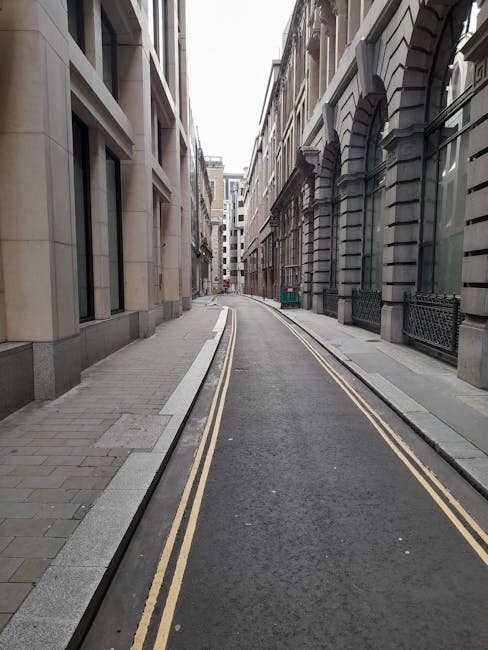
Pimlico home removals on SW1P access and parking solutions

Moving home in Pimlico sounds simple enough until you meet the reality of SW1P: tight streets, controlled parking, busy residential corners, awkward loading bays, and the sort of access issues that can turn a calm move into a stressful one by mid-morning. If you are planning Pimlico home removals on SW1P access and parking solutions, the difference between a smooth day and a chaotic one usually comes down to preparation. Not just boxes and tape, but where the van can stop, how long it can stay, and whether the furniture actually fits through the hallway without a rethink.
This guide breaks down what matters, how the process works, and the practical steps that make moving in Pimlico far easier. You will also find tips for planning around parking pressure, keeping neighbours onside, and choosing the right kind of move for a Central London property. To be fair, that is half the battle in this part of London.
Why Pimlico home removals on SW1P access and parking solutions Matters
Pimlico is one of those London neighbourhoods where the map looks neat, but the move day reality is a bit more complicated. Many streets are residential, parking is managed, and loading space can disappear quickly. If the vehicle cannot stop close enough to the property, every box, sofa, and wardrobe needs to travel farther on foot. That adds time, adds effort, and frankly adds risk.
Access matters because removal work is not only about lifting. It is about distance. The longer the carry from van to front door, the more likely you are to hit delays, strain items, or run over schedule. A narrow stairwell, basement flat, top-floor walk-up, or communal entrance with restricted entry times can all change how the move is staged.
Parking solutions matter because in SW1P the vehicle position is often the foundation of the whole operation. If your mover arrives without a workable plan for stopping, waiting, or loading, the team may need to improvise on the spot. That is never ideal. In our experience, the best moves in Pimlico are the ones where the parking plan is settled before the first box is sealed.
There is also a neighbourhood factor. A removal van parked badly can annoy neighbours, block residents, or trigger avoidable friction. Nobody wants that on moving day. The best approach is respectful, tidy, and practical. You want a move that feels organised, not like a small street takeover. Simple enough, but easy to get wrong.
How Pimlico home removals on SW1P access and parking solutions Works
A good Pimlico removal starts with a property assessment. This can be done from photos, a phone call, a virtual survey, or a quick visit, depending on the mover and the complexity of the job. The aim is to understand the building layout, vehicle access, parking restrictions, lift availability, and any awkward points such as tight stair turns or shared entrances.
Once the access picture is clear, the mover can decide what size vehicle makes sense. Sometimes a smaller van is smarter than a larger truck because it can position more easily and reduce loading pressure. Other times a bigger vehicle saves time because fewer trips are needed. There is no one-size-fits-all answer here.
The next step is parking planning. This may involve checking whether the property has resident bays, pay-and-display spaces, single yellow restrictions, loading windows, or a location where a vehicle can briefly stop while the crew unloads. You do not need to be an expert in transport management to get this right, but you do need to ask the right questions early.
On the day itself, the team usually tries to keep the vehicle as close as possible to the entrance, with clear routes from the van to the property. If access is awkward, the move may be split into smaller stages: protect the property first, move bulky pieces next, then box items afterwards. That sort of order matters more than people realise.
For many homeowners, it also helps to combine removal planning with packing support from packing and unpacking services. That is especially useful when time is tight or when the property is full of fragile household items that need a bit more care than a last-minute box-up can provide.
Key Benefits and Practical Advantages
Planning access and parking properly does not just reduce stress. It changes the quality of the whole move. Here are the most obvious benefits.
- Less wasted time: If the van is parked sensibly, the loading team spends more time moving items and less time walking back and forth.
- Lower handling risk: Shorter carries mean fewer chances of bumping walls, scuffing furniture, or dropping awkward items.
- Better schedule control: In a place like SW1P, even a 10-minute parking issue can snowball. Good planning helps keep the day on track.
- Less stress for residents and neighbours: A tidy, well-managed move is easier on everyone nearby.
- Smarter vehicle choice: Access planning helps you avoid paying for a vehicle that is too large or too small.
- More protection for property: Hallways, banisters, and communal areas are easier to protect when access has been thought through in advance.
A smaller but important benefit is confidence. When the parking and access side is sorted, the rest of the day feels manageable. You stop worrying about the van circling the block and can focus on the actual move. That sounds obvious, but honestly it changes the mood of the whole day.
If you are comparing providers, it is worth looking at a trusted removal company that treats access planning as part of the job, not an afterthought. That usually tells you a lot about how organised they will be under pressure.
Who This Is For and When It Makes Sense
This kind of move is not only for people leaving a mansion block or a top-floor flat. It suits anyone in Pimlico who expects access to be less than straightforward. That could include:
- flat owners in purpose-built apartment buildings
- tenants moving in or out of mansion blocks
- families in terraced homes with narrow streets
- people moving with larger furniture or fragile items
- older residents who need a gentler, more supported moving day
- busy professionals who need a fast, clean handover
It also makes sense when timing is tight. If you have a completion deadline, a lease handover, or a fixed lift-out time in a building, you do not want last-minute parking chaos. This is where a route plan, a loading strategy, and a sensible vehicle size all pull together.
For smaller loads, a flexible option such as man and van can be a better fit than a full-scale move. That does not mean the job is small in importance. It just means the logistics are lighter, which can be ideal in a dense part of Westminster.
By contrast, if you are moving a fuller household with wardrobes, beds, white goods, and boxes stacked to the ceiling, you may want a broader service such as home moves or even house removals depending on the size and complexity of the property.
Step-by-Step Guidance
- Survey the property and street access. Check where the vehicle can stop, whether there are resident bays, and how far items must be carried.
- Measure the awkward bits. Doorways, stair turns, lifts, basement steps, and large furniture dimensions all matter. One oversized wardrobe can change the whole plan.
- Decide the right vehicle. A compact vehicle may be easier in Pimlico, but a larger van can save time if the street allows it.
- Book the move at a sensible time. Early mornings often work well in busy London areas, though local conditions vary. Avoid the rush where possible.
- Prepare the parking arrangement. Make sure the mover knows exactly where loading is most likely to happen. If your building has a concierge or management office, let them know too.
- Pack in load order. Put essentials, fragile items, and bulky furniture in a plan that matches the van layout. That way the team does not need to reshuffle everything at the kerb.
- Protect the route. Floor coverings, furniture blankets, and corner protection are worth it, especially in narrow hallways and shared entrances.
- Keep communication open on the day. A quick call if a bay is blocked or a gate is locked can save a lot of faff. No drama, just problem-solving.
One small thing people forget: if the lift is booked, or if building access is time-limited, share that detail before the move. A mover can only work with the information they have. A missed access window can turn a tidy plan into a slightly frantic one, and nobody wants that soundtrack at 8 a.m.
Expert Tips for Better Results
After enough London moves, a pattern starts to emerge. The best outcomes usually come from the same few habits.
- Use photos, not vague descriptions. "It is a bit tight" helps, but a photo of the street, the entrance, and the stairwell helps more.
- Plan for the worst parking case, then hope for better. If the ideal bay is occupied, what is plan B?
- Keep the front door area clear. Shoes, umbrellas, bikes, recycling bags, little bits and pieces all get in the way faster than you think.
- Label boxes by room and priority. That makes unload order much easier and reduces pile-ups in the hallway.
- Book help for the heavy or awkward items. A single oak wardrobe can be the difference between a neat move and a very long day.
It also helps to choose a mover who understands removal services as a complete workflow rather than just a van arriving at a postcode. That wider thinking usually shows up in the details: the route, the packing, the protection, the timing.
Another good sign is when a team talks honestly about limits. If a building is particularly awkward, a responsible mover will say so and suggest a better method rather than pretending everything is easy. That kind of honesty is underrated. Very underrated.
Common Mistakes to Avoid
Some mistakes are small on paper and expensive on the day. Here are the ones that cause the most trouble in Pimlico.
- Assuming parking will sort itself out. In SW1P, that is a risky gamble.
- Booking a vehicle without checking access. A large van can be useful, but not if it cannot position near the entrance.
- Leaving the survey too late. If the mover only learns about the basement steps on arrival, things get slower and more expensive to manage.
- Packing fragile items at the last minute. That usually shows up later in broken glass, bent frames, or missing parts.
- Forgetting building rules. Some blocks have move windows, lift reservations, or noise expectations that matter a lot on the day.
- Ignoring insurance and responsibility. If something goes wrong, it is better to know in advance how the mover handles protection and claims.
There is also the classic mistake of underestimating how long the loading phase will take. A move from a compact flat may look quick until you realise the sofa has to go down two turns, past a railing, and around a corner that seems to shrink every time you carry something large. Funny, that.
Tools, Resources and Recommendations
You do not need a pile of specialist gear, but a few practical tools make the process much smoother.
- Measuring tape: For doors, furniture, lifts, and awkward stair turns.
- Phone camera: Take street and access photos for reference before the move.
- Labels and markers: Simple, but hugely useful for keeping boxes in the right order.
- Protective wrap and blankets: Helpful for mirrors, table tops, and anything with a delicate finish.
- Parking notes: Write down the exact bay, loading spot, or street-side arrangement so everyone is working from the same plan.
For readers who want a broader service overview, removals can be a useful starting point, especially if you are comparing different move sizes or property types. If you are still at the research stage, removals near me may also help you think through what level of support is available locally.
If your move is likely to need a particular vehicle setup, it may be worth reviewing the options for a moving van or a moving truck. The right choice is not always the biggest one. Sometimes it is the one that can actually get to the front door without a circus act.
Law, Compliance, Standards, or Best Practice
Moving home in London can involve parking controls, building rules, and general road safety considerations. It is sensible to treat those as part of the move rather than background noise. Exact parking restrictions vary by street and time, so a careful mover will always confirm the local situation rather than assuming space is available.
Best practice usually includes clear communication, safe lifting, proper route planning, and appropriate vehicle positioning. If a removal firm handles items on your behalf, you should expect them to think about insurance, safe loading, and the protection of property. If you want to understand how a provider approaches that side of the work, their insurance and safety information is worth reviewing.
It is also sensible to work with a company that takes operational standards seriously, including staff conduct, property care, and responsible handling of customer information. For general company values and background, the about us page can be useful. For practical policy detail, you may also want to review the health and safety policy and the terms and conditions.
One more point that often gets missed: if you are moving rubbish, broken items, or old furniture as part of the process, make sure disposal is handled properly. Sustainable sorting and recycling are not just nice extras. They are part of a tidy move. The recycling and sustainability approach can give you a better feel for that.
Options, Methods, or Comparison Table
There is more than one way to handle a Pimlico move. The right method depends on how much you are moving, how difficult access is, and how much time you have.
| Move type | Best for | Access and parking fit | Typical trade-off |
|---|---|---|---|
| Man and van | Smaller flats, partial loads, quick local moves | Very good where streets are tight or parking is limited | Less capacity, so more careful packing is needed |
| Moving van | Moderate home moves and mixed furniture loads | Good balance of capacity and manoeuvrability | May still need careful timing in busy streets |
| Moving truck | Larger households or fuller moves | Best when parking space is available and planned in advance | Harder to position in narrow SW1P streets |
| Full home removal service | Family homes, layered packing, fragile items, complex access | Strong choice when the job needs structure and support | More coordination required, but usually less stress |
If you are unsure which option fits your property, start with the access question, not the vehicle question. That order matters. A gorgeous big van means very little if it spends the morning circling the block looking for a space.
Case Study or Real-World Example
Here is a realistic example from a Pimlico-style move. A couple were leaving a second-floor flat in SW1P with a sofa, bed frame, dining table, six boxes of books, and a few fragile pieces of art. The street had resident parking, but the closest spaces were often occupied, and the entrance sat just far enough from the main road to make loading awkward.
Instead of leaving parking to chance, they prepared photos of the street, confirmed access times with the building, and packed boxes by room. The mover arrived with a vehicle suited to the street, unloaded the heaviest items first, and used protective coverings at the entrance. The job still had the usual London wrinkles - a neighbour reversing out at the wrong moment, a slightly stubborn wardrobe foot - but the plan held together.
The difference was not magic. It was preparation. A smaller, well-timed load on a street like that can run far better than a bigger, rushed move with no parking plan. That is the sort of thing you only learn once, usually the hard way.
Practical Checklist
Use this checklist a day or two before moving.
- Confirm the exact moving date and time window
- Check whether your building has lift reservations or access rules
- Photograph the street, entrance, stairwell, and any parking signs
- Measure large furniture and awkward corners
- Decide whether the move needs a van, truck, or smaller flexible setup
- Label boxes by room and priority
- Set aside essentials for immediate access at the new home
- Protect floors, corners, and delicate furniture surfaces
- Tell neighbours or building staff if access may be briefly interrupted
- Review insurance, safety, and any service terms before moving day
Expert summary: In Pimlico, the cheapest move is not always the cheapest move. A slightly better parking plan, a better vehicle choice, and clearer access information can save far more time and hassle than they cost. That is usually the quiet truth behind the smooth jobs.
Conclusion
Pimlico moves are rarely difficult because of the boxes themselves. They are difficult because of the setting: SW1P streets, parking pressure, building access, and the need to stay organised under a bit of time pressure. Once you treat access and parking as core parts of the move, everything becomes more manageable.
That is the real takeaway here. Plan the street, plan the vehicle, plan the route through the building, and the rest of the day starts to feel much more under control. If you are comparing providers, look for a team that asks good questions before move day, explains how they will manage loading, and understands the local reality rather than just the postcode.
If you are at the point of turning plans into action, choose the route that gives you clarity and calm. Moving home is enough of a life event without fighting the pavement as well.
Get a free quote today and see how much you can save.
Frequently Asked Questions
What makes Pimlico home removals on SW1P access and parking solutions different from a normal house move?
The main difference is the logistics. In Pimlico, parking space, loading distance, and building access often shape the whole move. A normal house move may not need that level of planning, but SW1P moves usually do.
Do I need to arrange parking before moving day?
Usually, yes, or at least confirm the practical loading arrangement in advance. Even when formal parking is not required, it helps to know exactly where the vehicle can stop and how long it can remain there.
Is a man and van suitable for a flat move in Pimlico?
Often it is. A man with van setup can work very well for smaller loads, compact flats, and tight streets where manoeuvrability matters more than huge capacity.
What if the road outside my property is always busy?
That is common in London. The best answer is usually timing, not optimism. Early starts, smaller vehicles, and clear access planning can make a busy road much easier to manage.
Can I use a larger vehicle for a quicker move?
Sometimes, but only if access and parking allow it. A larger vehicle can save time if it can park nearby, but it can also create delays if it struggles to position in a narrow street.
How far in advance should I book a removal company for SW1P?
As early as you reasonably can, especially if your move date is fixed. Busy London areas tend to reward early planning because access, parking, and building rules can all need a bit of coordination.
What items usually need the most care in a Pimlico flat move?
Large mirrors, artwork, glass tables, wardrobes, and anything awkward to carry through narrow stairwells. The property layout itself often creates more risk than the journey in the van.
Should I tell my building manager about the move?
Yes, if you have one. It can help with lift access, loading windows, entry codes, and general neighbour coordination. A five-minute conversation can prevent a lot of friction later.
What should I ask a mover before I book?
Ask how they plan to handle parking, what vehicle they expect to use, how they deal with tight access, and what happens if the street is blocked on arrival. Those questions usually reveal the quality of the service pretty quickly.
Are packing services worth it for a Pimlico move?
They can be, especially if time is tight or you have fragile household items. Packing support can also reduce the chance of slowdowns on move day because the load is more organised.
How do I know whether I need a full home removal service or something smaller?
Think about volume, furniture size, and access difficulty. If your move includes several bulky items, many boxes, or a tricky building layout, a fuller service is usually the safer and calmer choice. For lighter loads, a smaller option may be enough.
What is the biggest mistake people make with London access and parking?
They assume the van will simply find a space. In reality, the street may be tighter, busier, or more regulated than expected. Good planning beats guesswork every time.
Can removal teams help protect my property during a difficult move?
Yes, they should. Good movers use sensible protection for floors, walls, and furniture, especially in narrow hallways or communal areas. If you want more reassurance, check the provider's safety and insurance information before you book.